Individual TourPrivate journey
Individual Tour
18-Day Individual TourKyrgyzstan Fly & Drive
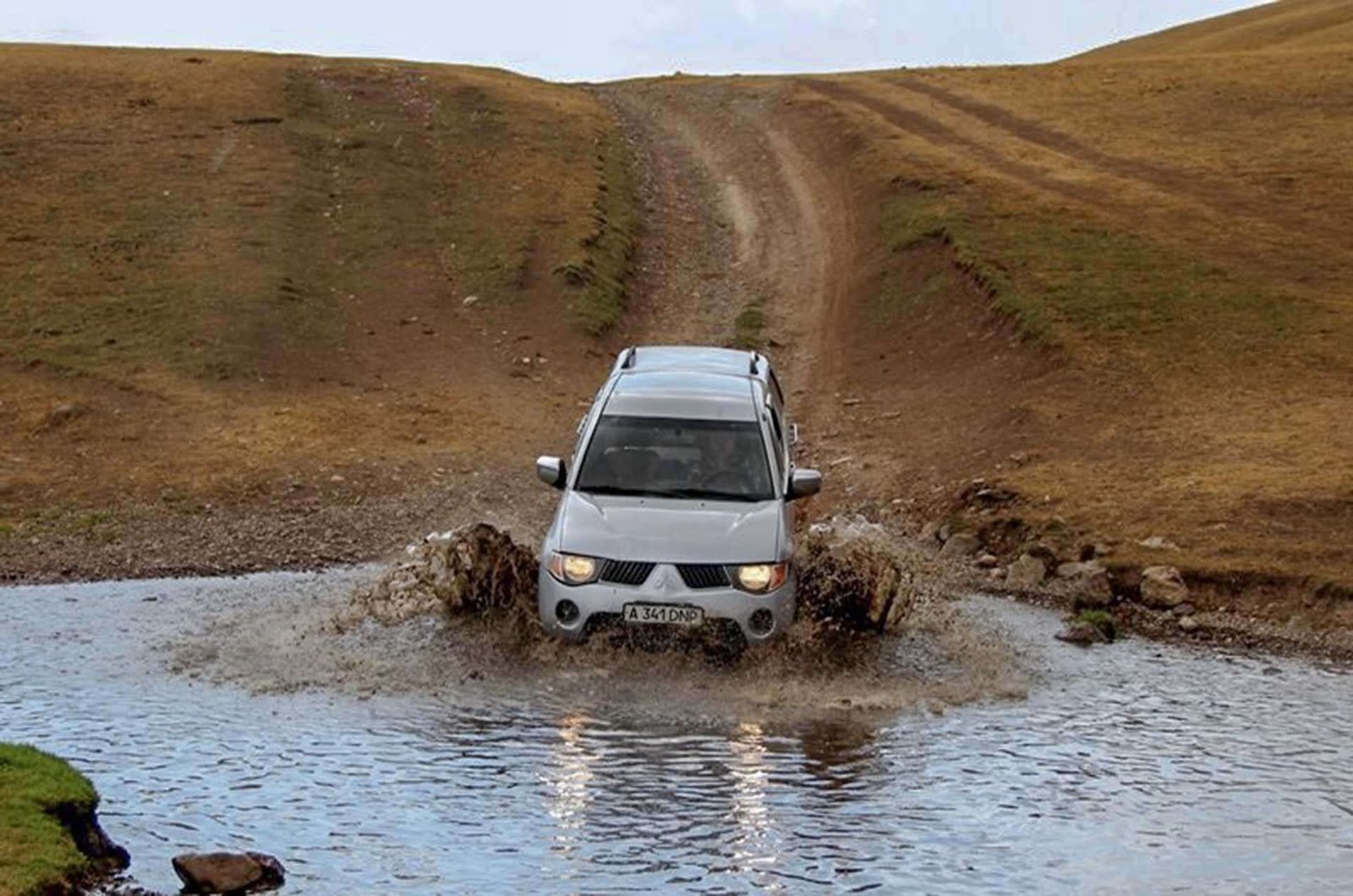
A demanding self-drive and trekking journey through mountain valleys, alpine lakes, yurt camps and village stays.
One countryKyrgyzstan
Travel style4WD self-drive with guided trekking
Travel periodRecommended May–September
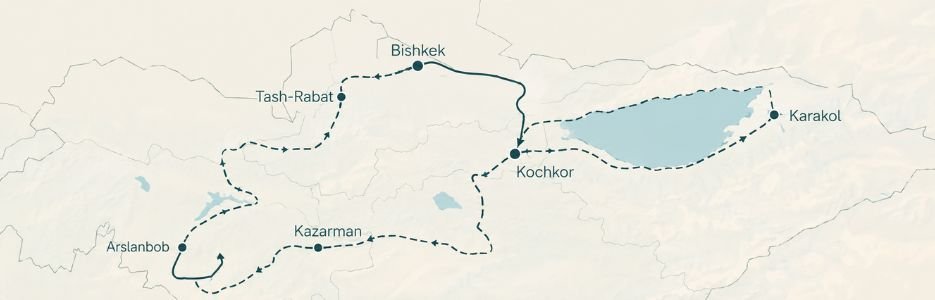
Day 1 – Bishkek
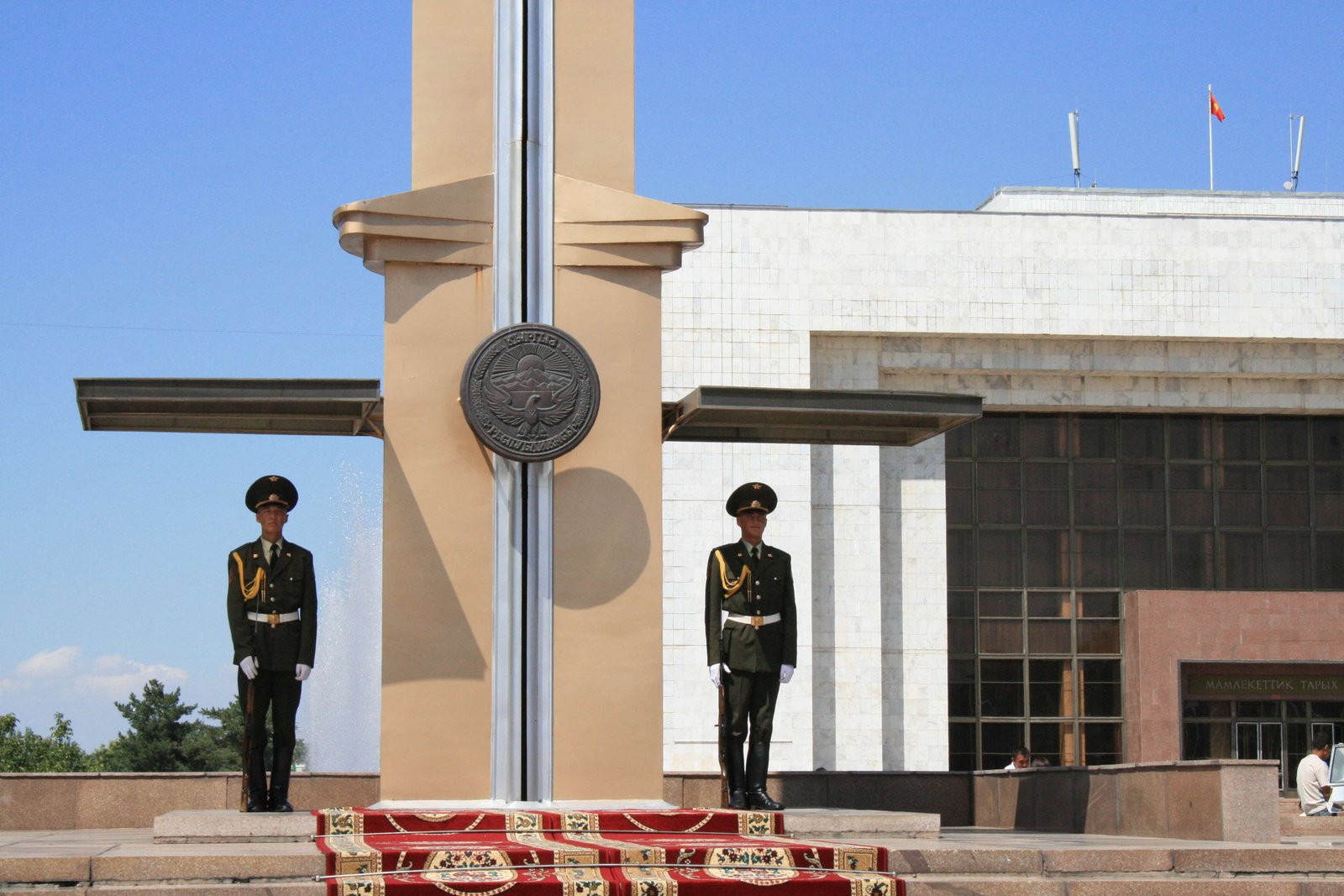
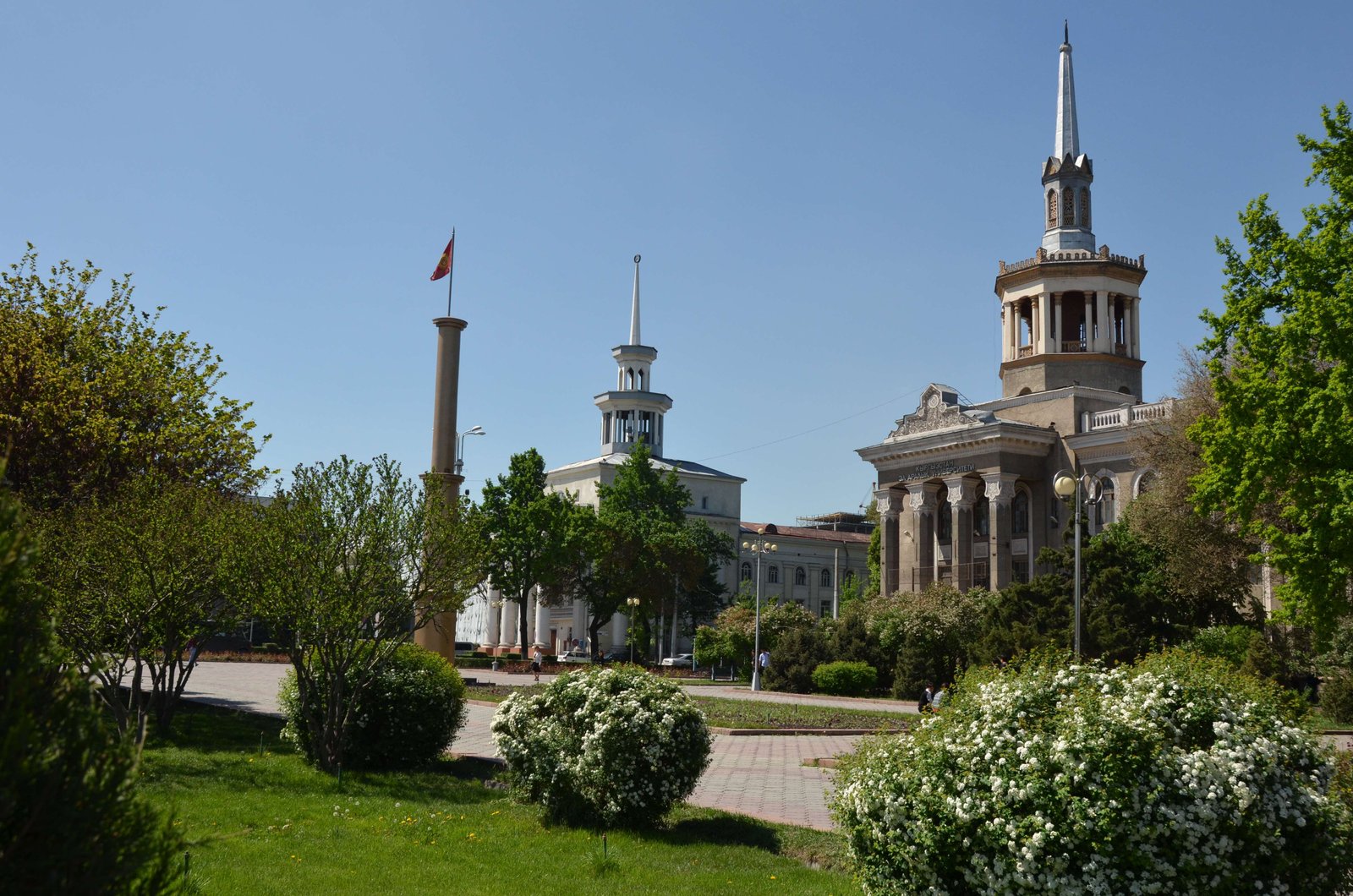
Upon arrival at Bishkek airport you will be welcomed by a Calaio Viajes y Turismo representative and transferred to your hotel. In the afternoon you can explore Bishkek on your own. The city has all the characteristics of the typical Soviet style: wide streets, many squares, large government buildings and statues of Lenin and Pushkin, among others. Overnight in Bishkek
Day 2 – Bishkek – Ala Archa N.P. – Bishkek (approx. 90 km)
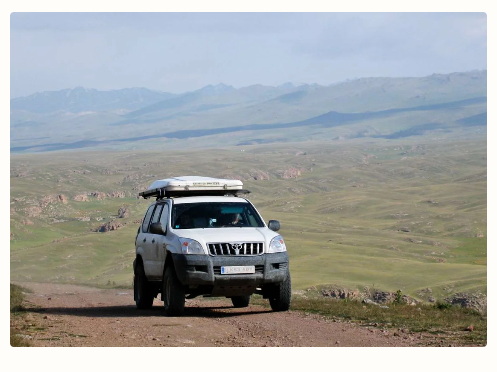
Today you will visit the spectacular Ala Archa nature park, located about 45 km from the capital. The national park is formed by the Ala Archa gorge, waterfalls, glaciers and mountain peaks up to 4,895 meters high. The park is a popular destination for hikers and has a rich diversity of flora and fauna. From here you drive back to your hotel in Bishkek. Overnight in Bishkek.
Day 3 – Bishkek – Issyk Kul via Burana (approx. 300 km)
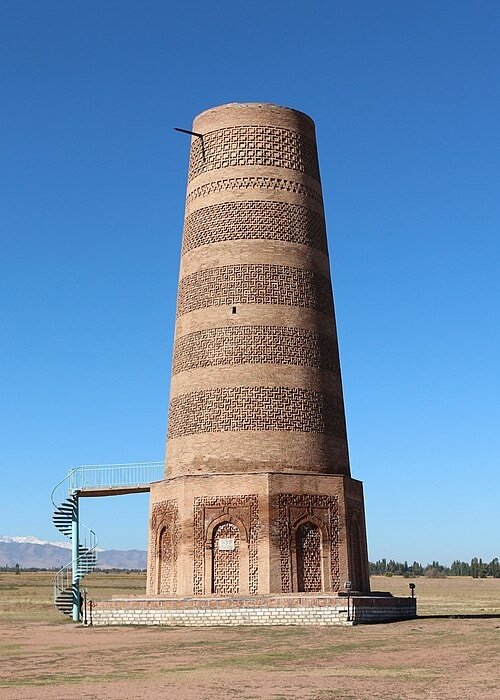
After breakfast you drive towards the Issyk Kul lake. Along the way you will make a stop at the 11th-century Burana Tower, an imposing minaret. From the top you have a great view over the valley. Next to the Burana tower near Tokmak you can find the remains of an old fortress. Surrounding it is also the earthen wall of the former city wall of the disappeared city of Balasagun, the capital of the Karachids. The tower and dozens of carved tombstones are all that remains of this ancient city. In the town of Tokmok you can have your lunch on your own before continuing to Issyk Kul. After arrival you can visit Cholpon Ata. Cholpon Ata was a spa town during the Soviet Union. Today it is a popular seaside resort for Central Asians. Just outside the center you will find the open-air museum of petroglyphs, some of which date from the 2nd millennium BC to the 4th century AD.
Day 4 – Issyk Kul – Grigorievskoe Valley – Karakol (approx. 180 km)
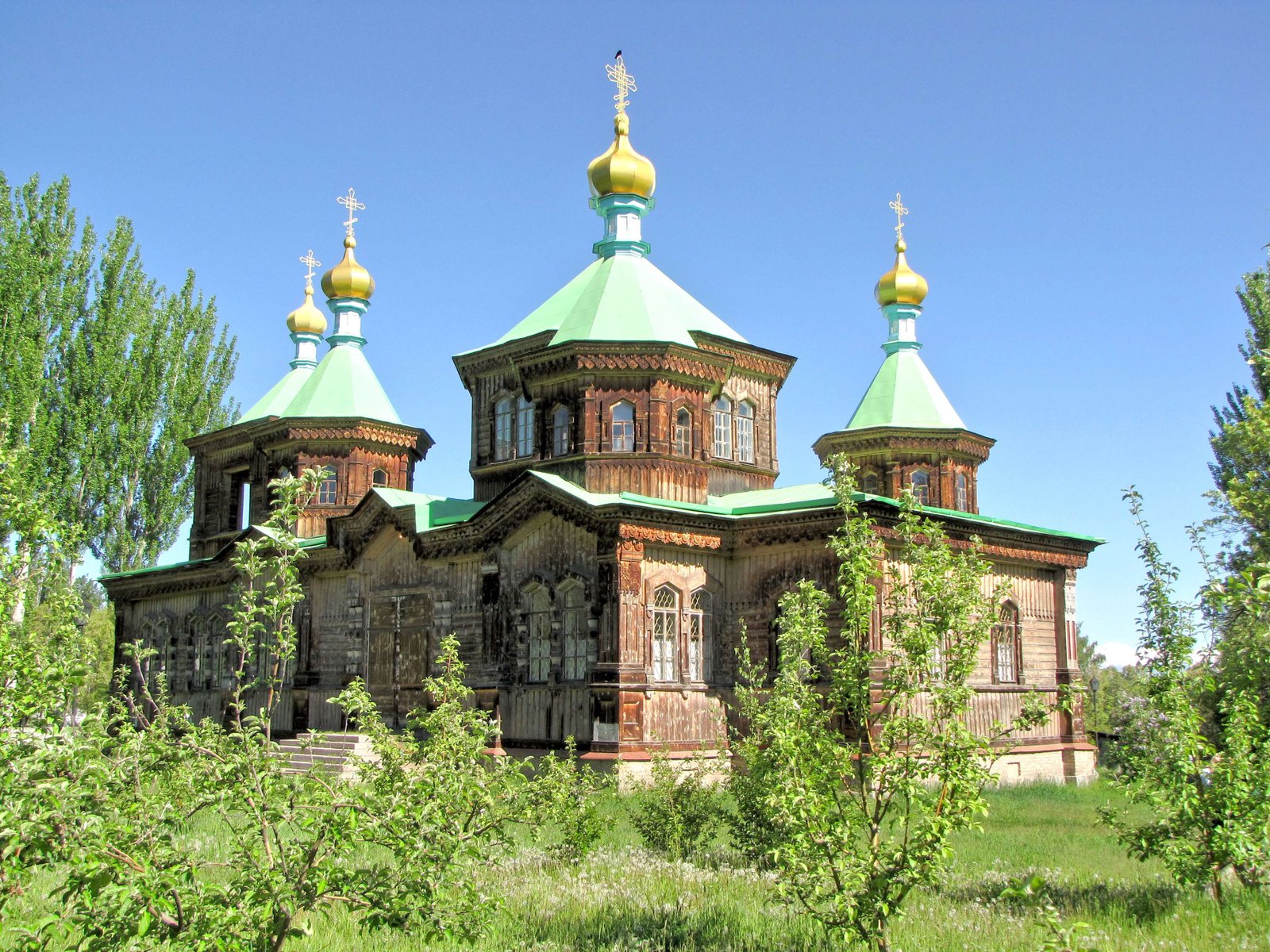
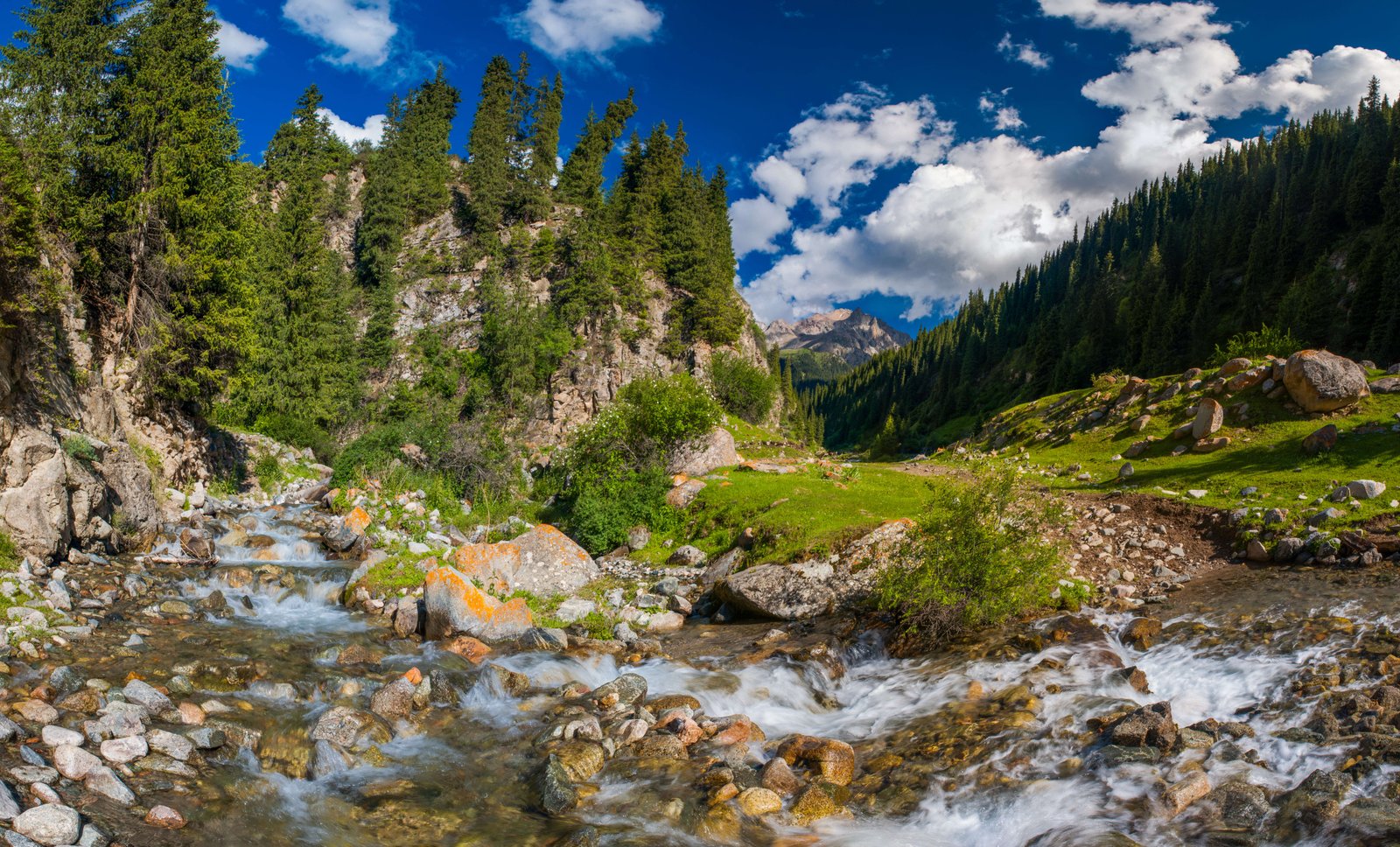
After breakfast you drive to the Grigorievskoe gorge where you can walk through the gorge at your own pace. There is a mountain river with crystal clear water. There are also 3 very beautiful lakes in the valley. For example, take a walk through the center that takes you to the Chinese Dungan mosque with its beautifully carved wooden portal. The Dungans are Muslims from China. You will also find the Russian Orthodox Cathedral and the Igor Przhevalskii Museum here. The center also has a lively market and a large university to admire. Overnight stay in Karakol.
Day 5 – Karakol – Karakol gorge (10km – trek of 8km of +/- 5 hours)
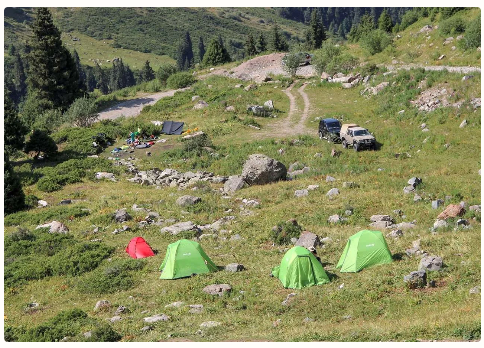
In the morning information meeting with the mountain guide and transfer to the Karakol gorge. The 8km trek starts here, and you will have lunch along the way. The tour goes to the tent camp. Dinner and overnight stay in tent camp.
Day 6 – Karakol gorge – Ala Kol Lake (trekking of 9km, +/-7 hours)
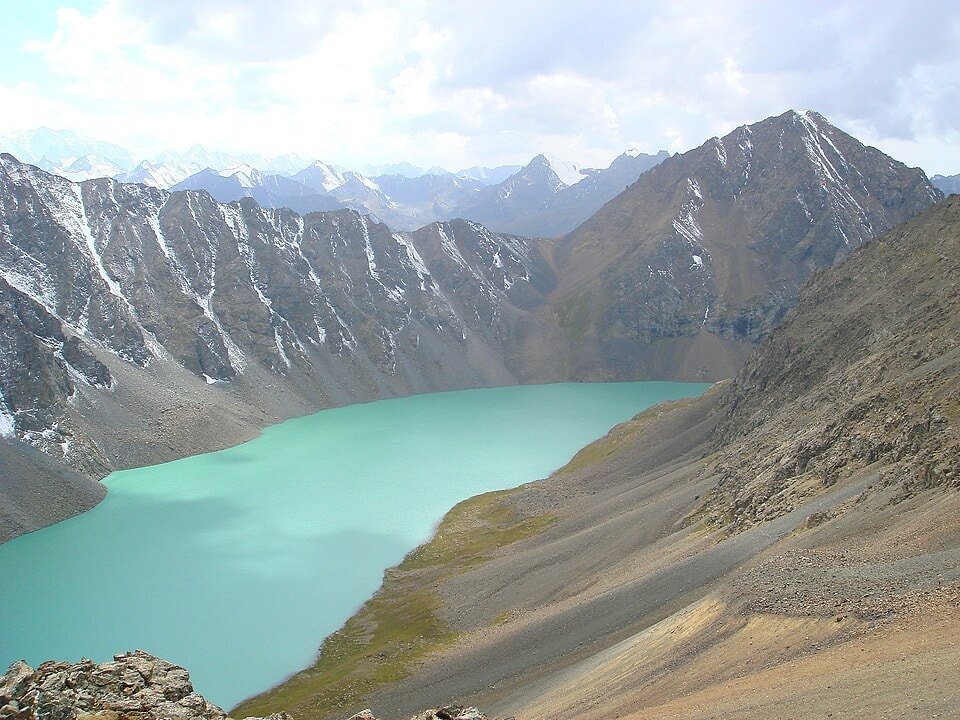
After breakfast the hike to Lake Ala Kol starts. We first descend through the gorge where the path leads us over the river and bridge into the forest. A long climb ends at a deep grassy slope and reaches a rather strange place called “Sirota”, a mountain hut. It looks like a fairytale hut with wooden statues of animals standing around. Here we can rest for a moment and catch our breath. We leave the forest and the path continues along the river and we arrive at a beautiful waterfall. Dinner and overnight stay in a tent.
Day 7 – Ala Kol – Altyn Arashan Valley – Karakol (18km trek, +/-8h – 30km by bus)
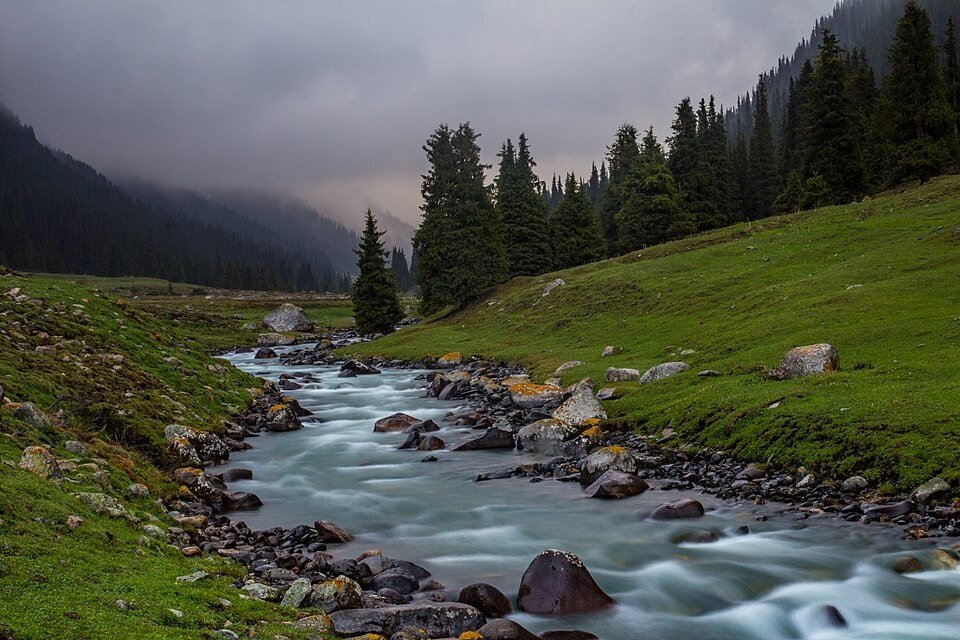
In the morning departure towards the Altyn Arashan valley, a beautiful area in the south surrounded by the 4260m high Palatka mountain. The valley is known for its hot springs and thermal baths. Upon arrival you can relax in a hot spring or thermal bath. Overnight stay in Karakol.
Day 8 – Karakol – Djeti Oguz gorge – Skazka gorge – Kochkor (approx. 280km)
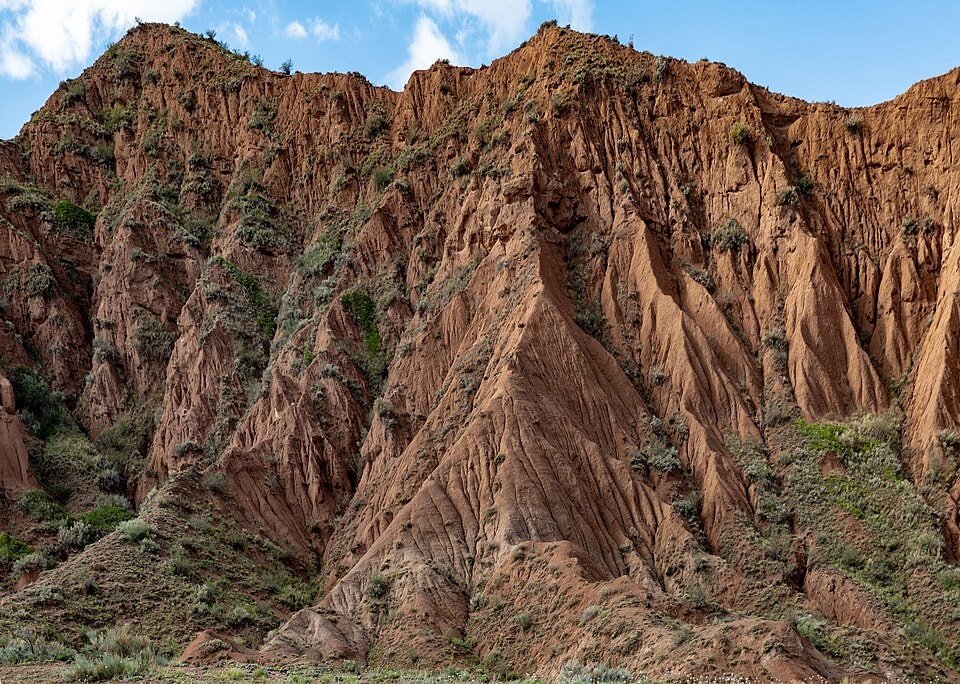
Today you drive to Djeti Oguz, where you take a hike to the waterfall in the gorge. Walk through the beautiful nature with red cliffs. The name comes from 7 cliffs that resemble 7 bulls next to each other. In the afternoon you drive to Kochkor. The capital of the district was formerly known as Stolypin or Kochkorka and is located at an altitude of 1800m. On the way we first make a stop in the Skazka Canyon (fairytale gorge) where we take a hike, the most popular gorge in the country. The name is derived from the rock formations and the beautiful colors and shapes of the landscape. Upon arrival in Kochkor, dinner and overnight stay with a local family.
Day 9 – Kochkor – Tash Rabat (approx. 240km)
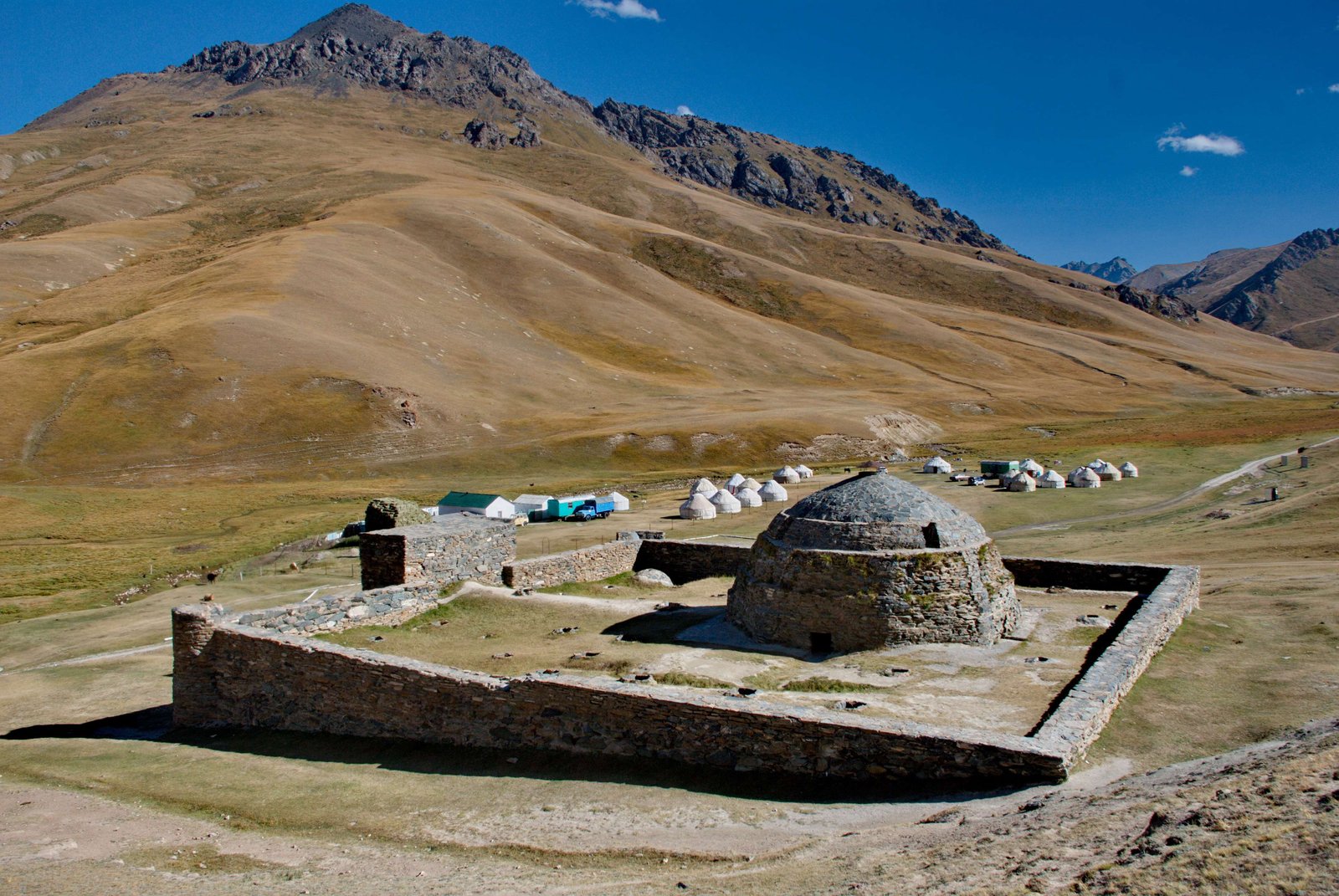
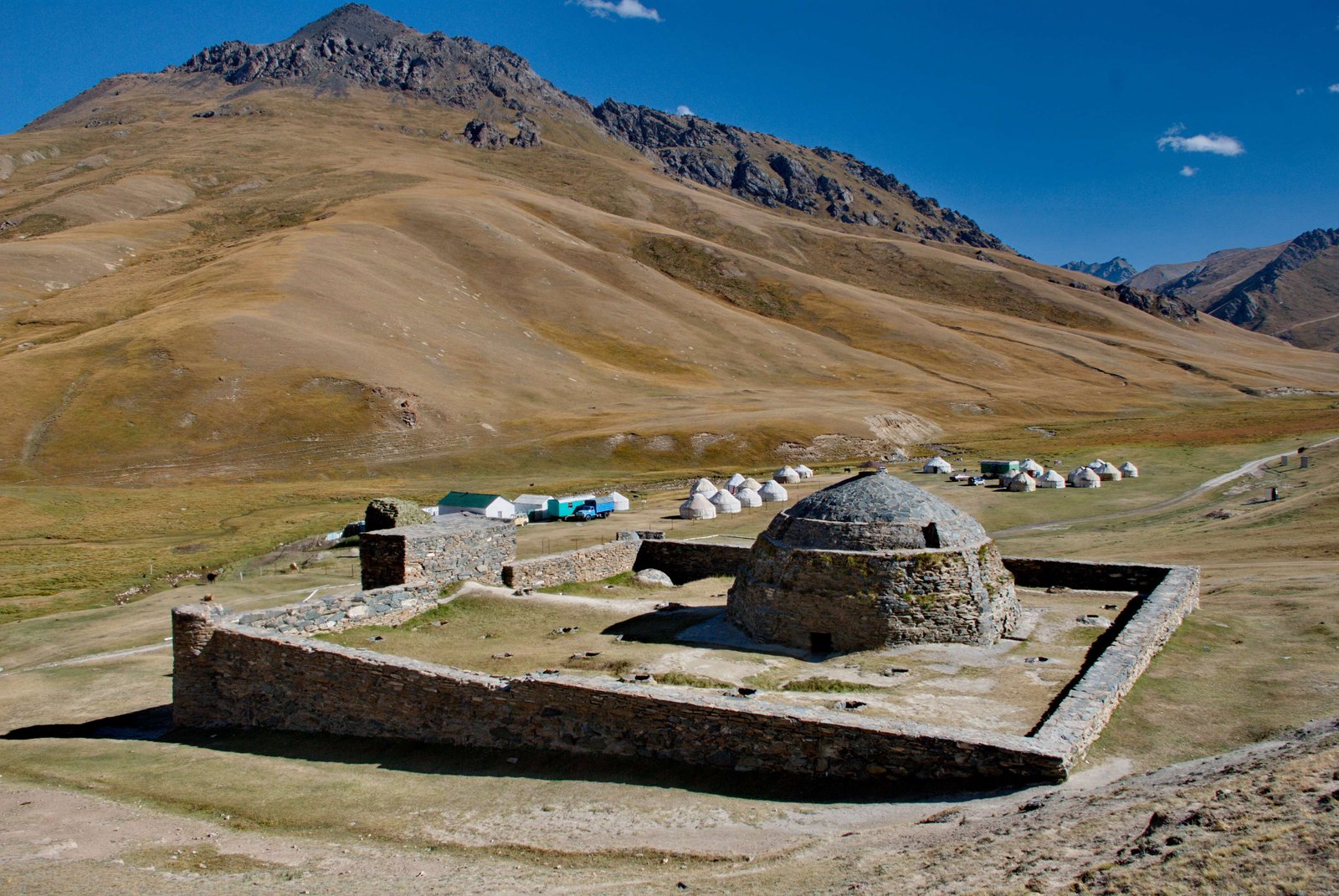
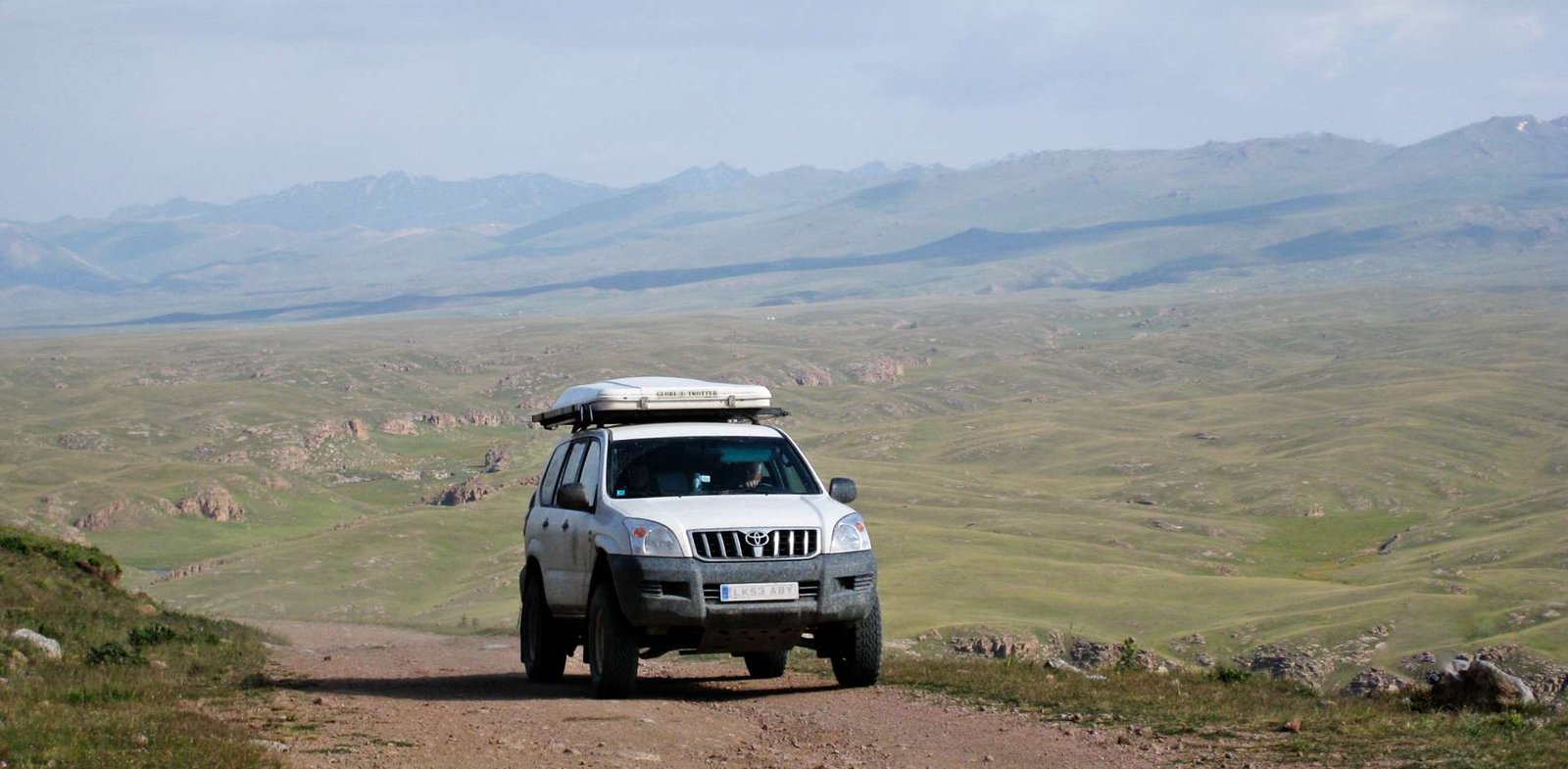
After breakfast you drive to the Tash Rabat caravansarai via the Dolon Pass, located at 3030m. This road connects Bishkek and Torugart and is a challenge for every driver. The road consists of gravel and has quite steep sections. Arriving in Tash Rabat you will visit the caravanserai. The name means “stone inn” and was located along the Silk Road. Tash Rabat is the only well-preserved caravanserai in this area and gives us a good idea of what it was like in the past. Dinner and overnight stay in the yurt.
Day 10 – Tash Rabat – Son Kul Meer (approx. 270 km)
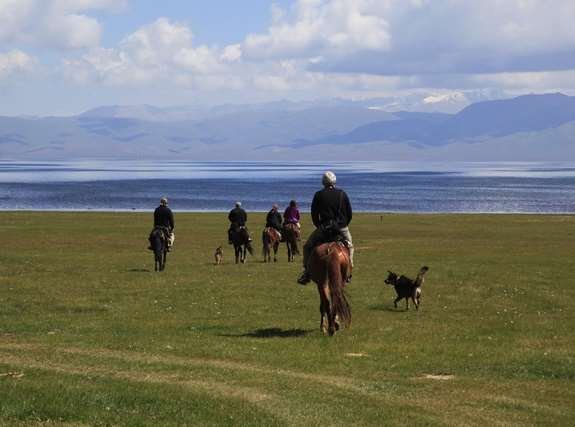
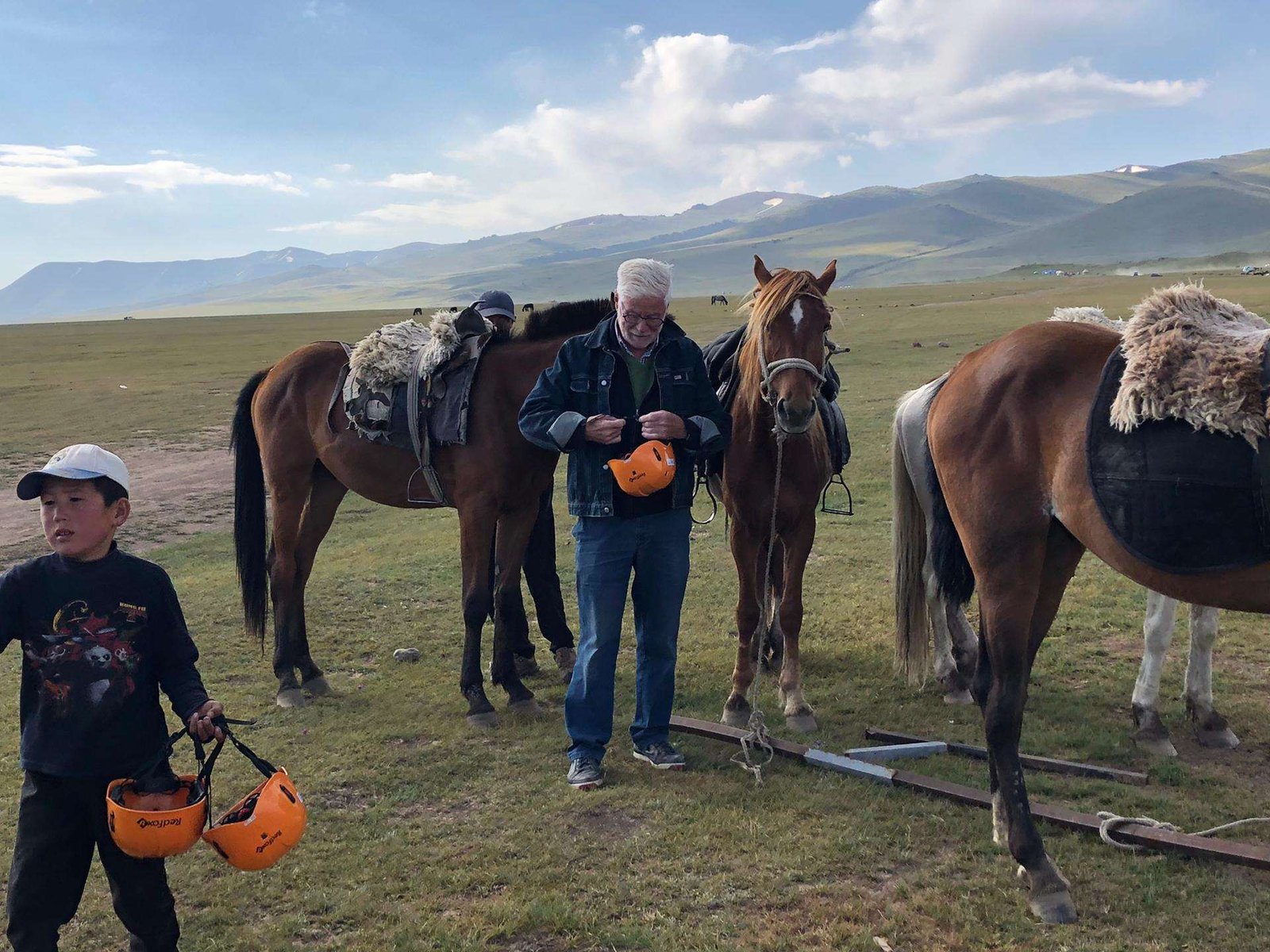
After breakfast you will travel to Son Kul Lake. The lake is located at an altitude of 3000 meters and is 28 km long and 18 km wide. Nomads live in their traditional yurts among the peaks of the Tien Shan. The lives of these people mainly consist of herding flocks of sheep and keeping horses on the vast grasslands. It is the perfect time to learn more about the lives of traditional nomads. On the banks of the lake you will be surprised by the diversity of water and birds of prey such as geese and falcons. This is also the ideal opportunity to explore the area on horseback. Dinner and overnight stay in a traditional yurt on the lake.
Day 11 – Son Kul
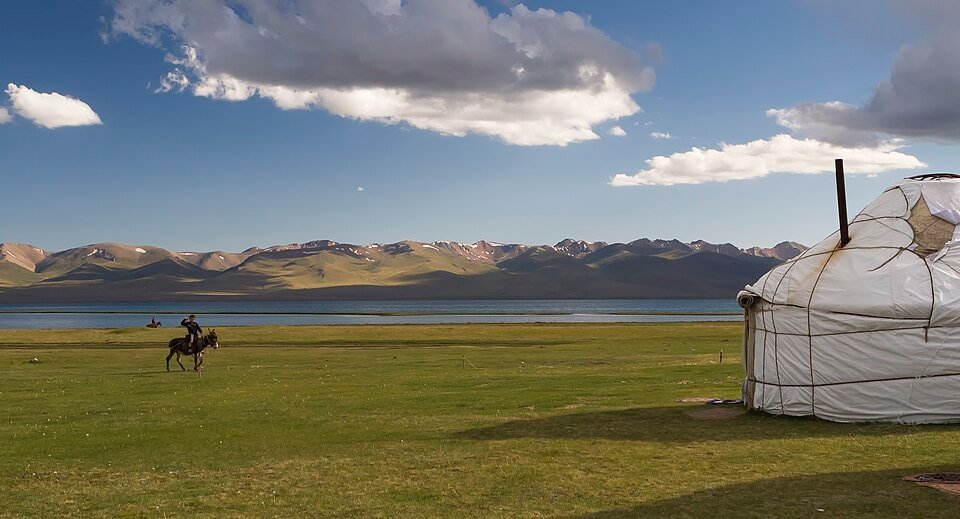
Today you have a day at leisure. Lunch and dinner are included in the price. There are no restaurants nearby. Dinner and overnight stay in a traditional yurt on the lake.
Day 12 – Son Kul – Kazarman Village (approx. 140km)
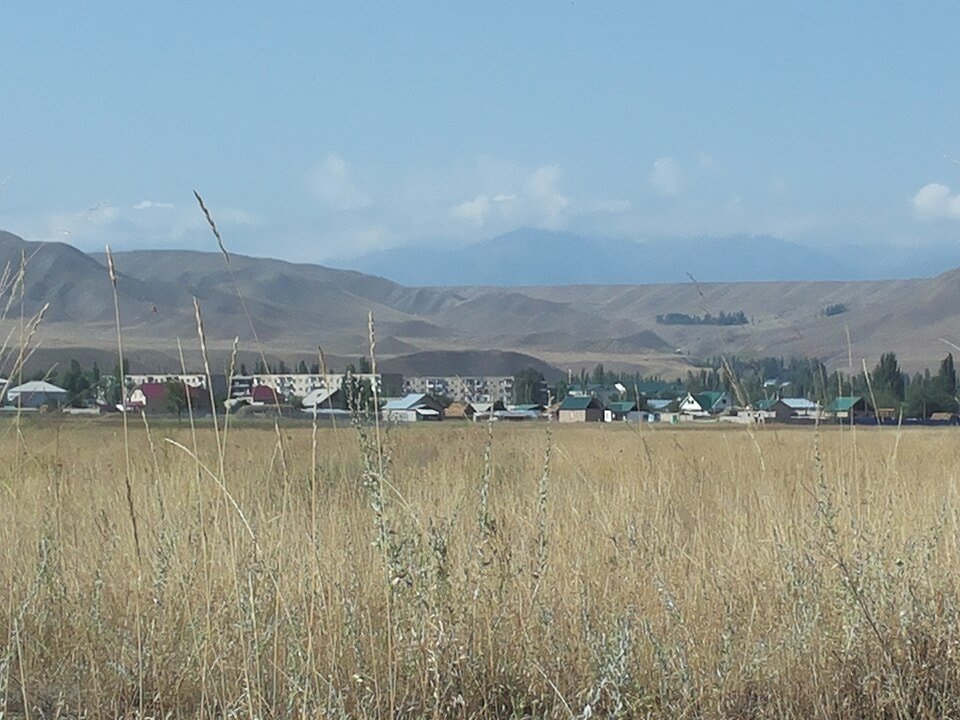
Kazarman is the most isolated village in Kyrgyzstan. During the winter months the village is cut off from the rest of Kyrgyzstan because the roads are closed due to snowfall. The village has no restaurant and only 1 tea house. Even during the summer months it gives a rough view, this is mainly due to the presence of the gold mine. Dinner and overnight stay with local family.
Day 13 – Kazarman – Arslanbob (approx. 250 km)
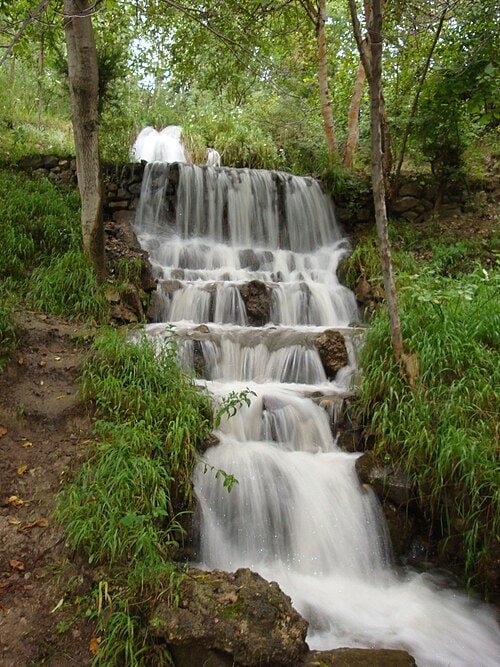
From Kazarman you travel further through the pristine mountains to the village of Arslonbob. This town is located in the Fergana valley, which the country shares with Uzbekistan and Tajikistan. The valley was once known for its horses and today plays an important role in Central Asian cotton farming. The town of Arslanbob is located at an altitude of 1600 meters and is known for its walnut forests. You have the afternoon at leisure. Take a walk through the village or hike into the mountains. This spot is also ideal for relaxing or reading a book. There is also a waterfall within walking distance that you can admire. Dinner and overnight stay with a local family in Arslanbob.
Day 14 – Arslanbob – Sary Chelek National Park (approx. 250 km)
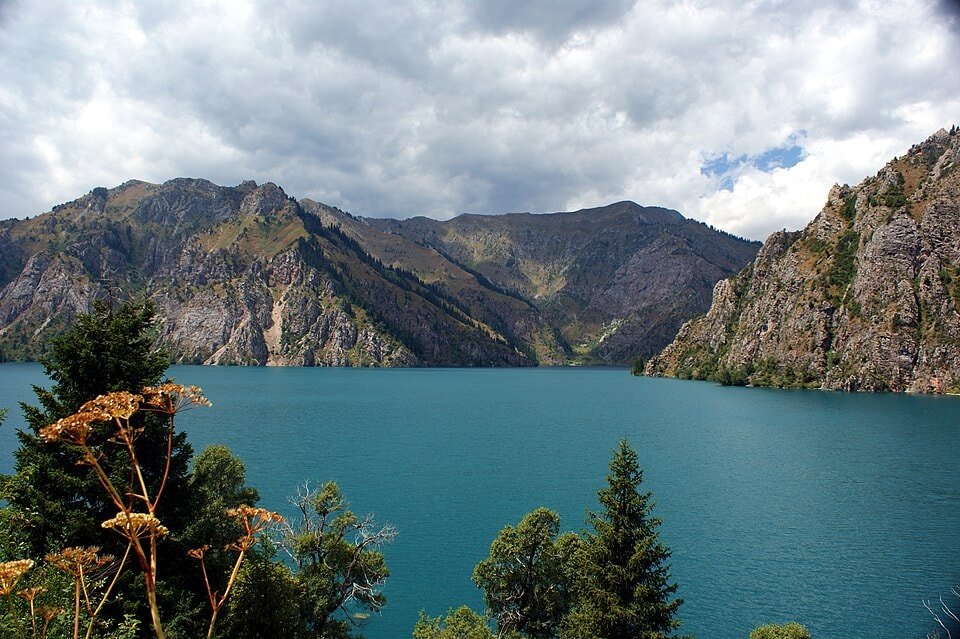
Today you will take a trip to one of the most beautiful national parks in Kyrgyzstan. Along the way you will pass several lakes and the largest water reservoir in the country, the Toktogul reservoir. Later in the day you will arrive at the beautiful mountain lake of Sary Chelek. Here you can go on a hike or camp in nature, where you can meet nomads, shepherds and villagers. Overnight stay with a local family.
Day 15 – Sary Chelek
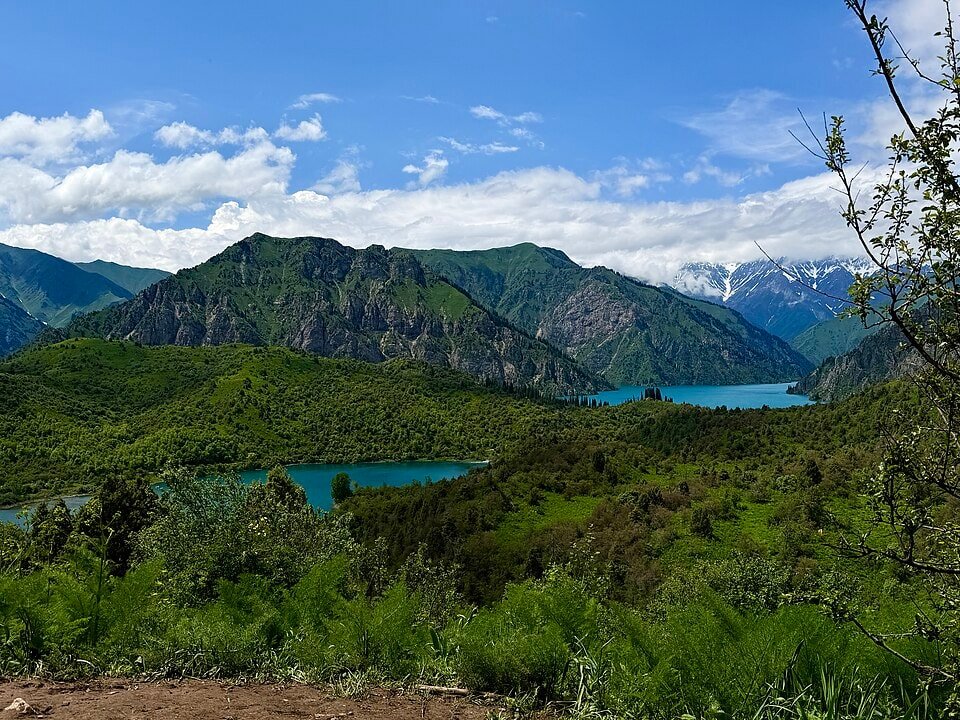
Today you have the whole day free in the national park and you can take an easy hike. You admire one of the 7 lakes in the park and enjoy the beautiful nature. Dinner and overnight stay with a local family.
Day 16 – Sary Chelek – Chichkan gorge (approx. 350 km)
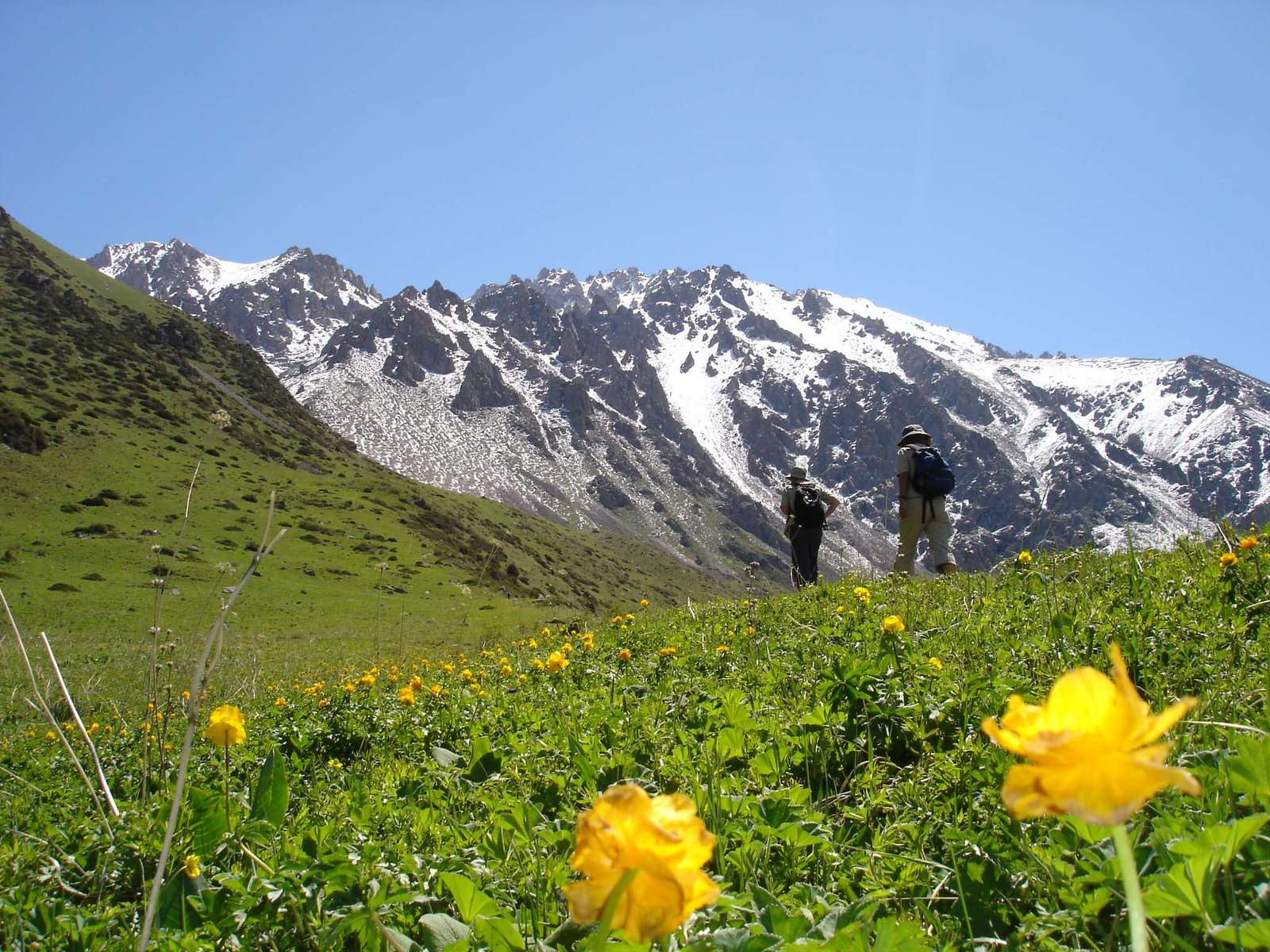
After breakfast you travel further to the Chichkan gorge. You will pass the beautiful picturesque gorges of the Central Tien Shan Mountains and 2 mountain passes. The Ashuu Pass in particular, at 3586 meters, has a dramatic landscape. From this pass you can view the Chui and Suusamyr valleys. After passing this pass, you turn into a side valley and the spectacular Chichkan Gorge becomes visible. Enjoy the beautiful surroundings and take a walk or relax by the mountain river. Dinner and overnight stay in the Chichkan gorge.
Day 17 – Chichkan – Bishkek (approx. 200 km)
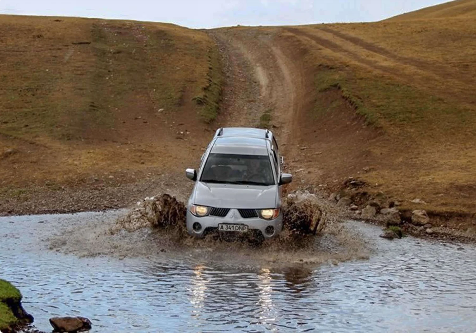
In the morning you drive back to Bishkek. The road runs over 2 mountain passes, namely the Ala Bel (3184m) and the Tuu Ashuu (3568m). The views along this road are beautiful. Arrived in Bishkek, check into the hotel.
Day 18 – Bishkek
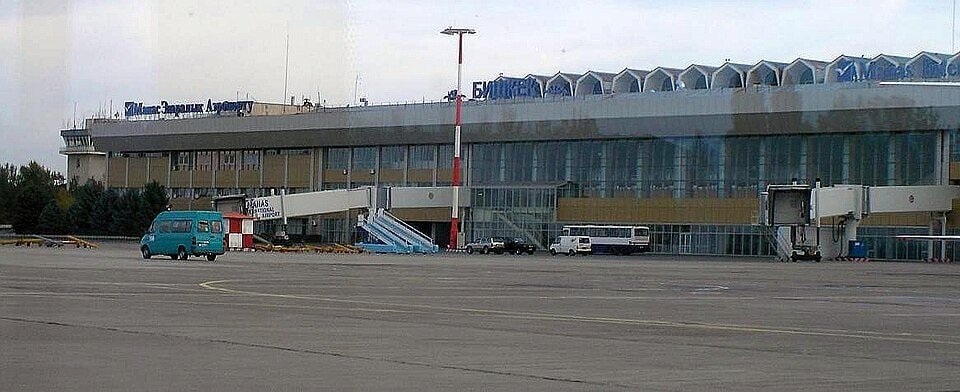
Today this wonderful journey through Kyrgyzstan has come to an end. Return flight in accordance with the flight schedule.
Included
Part of the program
- Transfer from the airport to the hotel and vice versa
- All overnight stays on a bed and breakfast basis, 3 x yurt, 5 x with local family, 2 x in tent camp, 7 x hotel
- 11 x Dinner + 9 x lunch
- Car rental Jeep 4WD from day 2 to day 17
- Ecological fees and entrance fees during the trek
- English-speaking guide, mountain guide on days 5, 6 and 7
- Kyrgyzstan road map (you will receive this on site)
- Car rental price included
- - Unlimited kilometers
- - CDW (Collision Damage Waiver) with USD 500 deductible.
- - TPW (Theft Insurance) with deductible of USD 500
- - Taxes
Not included
- International flights. The Calaio Viajes y Turismo employees are happy to assist you with this.
- Reservation fees
- Calamity fund € 2.50 per booking of max. 9 people
- SGR consumer contribution €5 per person.
- Travel and cancellation insurance; see Travel Insurance under Extras.
- Car rental extras: GPS, Excess waiver, etc.
- Additional costs on site: tips, optional excursions, etc.
Conditions and notes
- Minimum number of participants: 2 people
- Extension possible, contact Calaio Viajes y Turismo for further information.
- This trip can be tailor-made. Please inquire with one of our employees.
- Bring your own sleeping bag
Hotel Information
Accommodation along the route
Bishkek · Hotel Asia Mountains · 3-star hotel
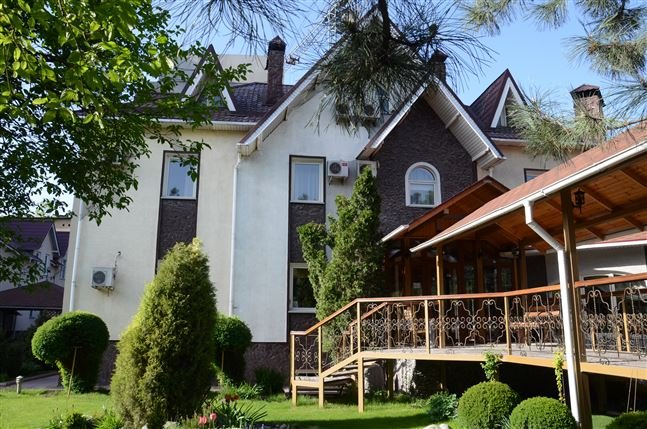
A welcoming hotel in a quiet location approximately 15 minutes on foot from central Bishkek.
Facilities: Restaurant with fireplace, reading corner, garden with swimming pool and loungers, and free Wi-Fi throughout.
Rooms: Tidy rooms with wooden furniture, television, seating area, small refrigerator, kettle and air conditioning; bathrooms include a bath or shower, toilet and hairdryer.
Karakol · Green Yard Hotel · 3-star hotel
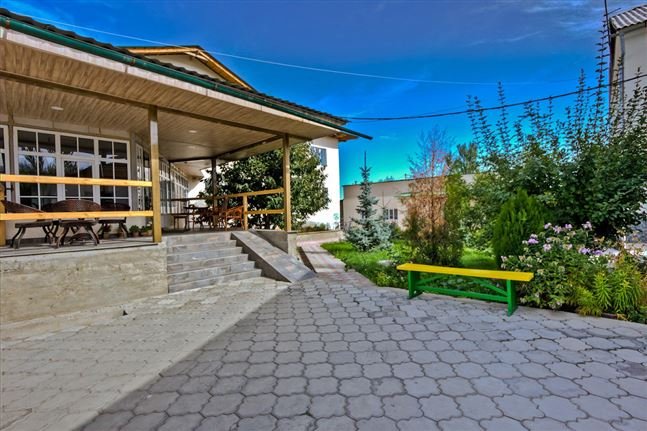
A family-run hotel on the edge of Karakol, about 18 km from Issyk-Kul and ten minutes on foot from restaurants and shops.
Facilities: Restaurant serving local specialities, garden seating, sauna, free parking, bicycle rental and property-wide Wi-Fi; there is no lift.
Rooms: Bright rooms with satellite television, minibar, desk and a bathroom with bath or shower and toilet.
Tash Rabat · Tash Rabat Yurt Camp · Yurt camp
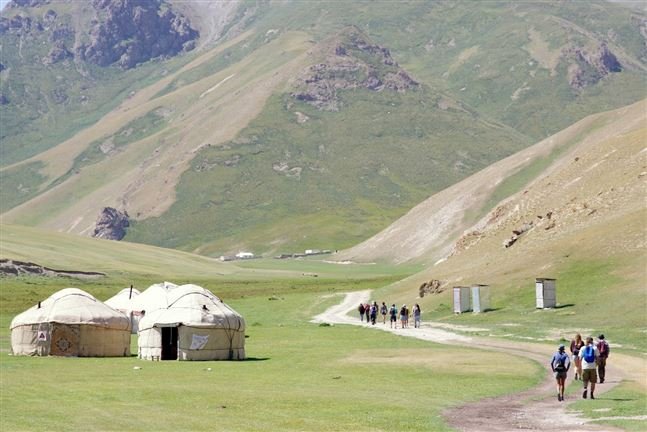
A seasonal camp near the historic Tash Rabat caravanserai.
Facilities: Shared toilets and washing facilities a short distance from the yurts, restaurant, traditional Russian banya and a small souvenir shop.
Rooms: Traditional felt yurts, normally shared by two guests, with beds provided.
Son-Kul Lake · Son-Kul Yurt Camp · Yurt camp
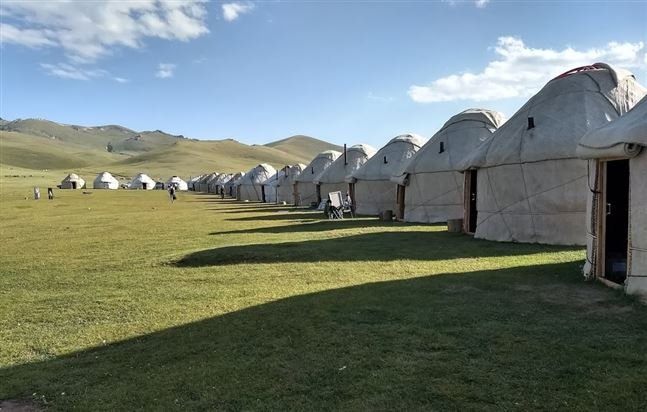
A seasonal camp beside high-altitude Son-Kul Lake.
Facilities: Shared toilets and washing facilities a short distance from the yurts, a restaurant where drinks may sometimes be available after dinner, and occasional opportunities for horse riding.
Rooms: Traditional felt yurts, normally shared by two guests, with beds provided.
Kazarman · Kazarman Guesthouse · Guesthouse / homestay
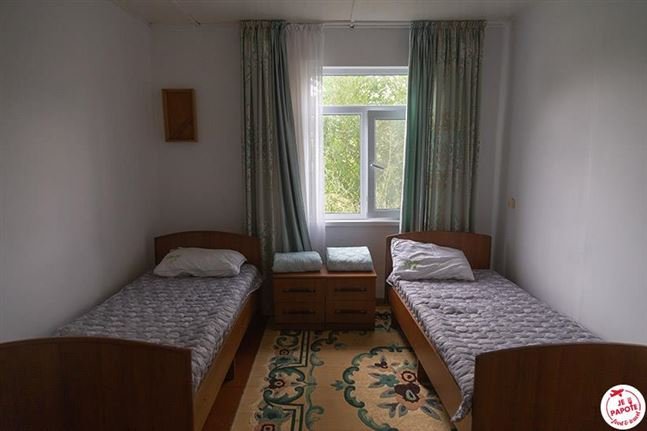
Accommodation in a local home, normally with a private bedroom and shared bathroom and toilet; the host prepares a local meal.
Arslanbob · Arslanbob Homestay · Homestay
Accommodation in a local home, normally with a private bedroom and shared bathroom and toilet; the host prepares a local meal.
Chychkan Gorge · Motel Oson · 2-star motel
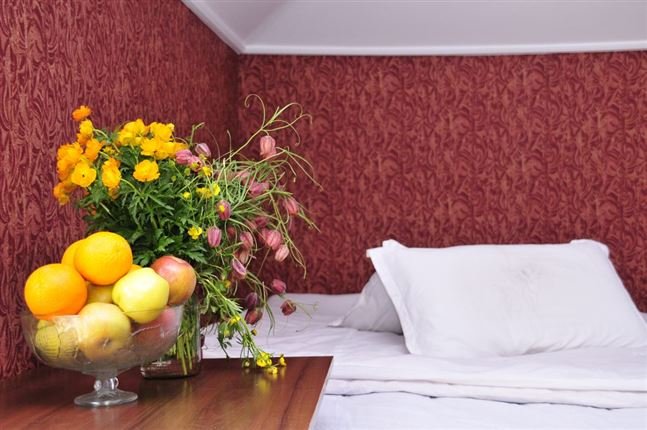
A simple, clean place to stay in Chychkan Gorge with private facilities.
Country Information
Practical country information
Kyrgyzstan
General
Traveling through Kyrgyzstan means traveling through the country's unique nature. Our tours take you past mountain landscapes, colorful valleys, large lakes, and nomadic villages, while you can admire Central Asian architecture. You will frequently stay in guesthouses, where you get to know the local population well and discover that they are very friendly people. Kyrgyzstan has very varied nature, a rugged landscape consisting of mountains, lakes, and many streams. A trip usually starts in Bishkek, where the international airport is located, and typically takes you past Lake Issyk-Kul, which is the second-largest mountain lake in the world. It is not yet a popular holiday destination, making it the ideal destination for peace and vastness.
Location
Kyrgyzstan is located in Central Asia and borders China to the southeast, Kazakhstan to the north, Uzbekistan to the west, and Tajikistan to the southwest. Kyrgyzstan has a surface area of 198,500 km² (almost 5 times the Netherlands; 6.5 times Belgium), on which approximately three times as much livestock (mainly sheep) as people live. The country has over 5.4 million inhabitants. Two-thirds of the total population lives in rural areas. The Kyrgyz economy relies mainly on arable farming and livestock breeding. The country is skilled in building hydroelectric power plants, and raw materials such as mercury, lead, and copper, and more recently gold, are mined there. The Kyrgyz people are descended from Turkic nomadic tribes who left Siberia around the tenth century to eventually settle in the Tian Shan mountains.
Kyrgyzstan consists of approximately ninety percent mountains. Almost half of these lie above 3,000 meters, three-quarters of which are covered with eternal snow and ice. Most mountains belong to the Tian Shan 'Heavenly Mountains' in the southeast or are foothills thereof. Peak Pobeda, at 7,439 meters, is the highest mountain. Only a few valleys lie below 1,000 meters, such as the Chuy and Talas valleys and the rim of the Fergana Basin. Kyrgyzstan is dotted with mountain lakes, of which Issyk-Kul is the largest. About eighty larger and smaller rivers flow into this lake. Bears, wild boars, foxes, wolves, badgers, and lynxes live in the forested mountain regions, while trout and carp swim in the lakes and rivers. The country is said to have the second-largest population of snow leopards, a number that is declining drastically due to hunting.
Climate
Kyrgyzstan has a mountain and continental climate with significant differences between the low-lying and high-altitude areas. In the valleys, the average temperature in July is 28 degrees and in January minus 18 degrees. During the summer, the mountain regions enjoy a very pleasant temperature of around 25 degrees. In winter, it is very cold throughout Kyrgyzstan. Most precipitation falls in spring and autumn, but showers can also occur in summer. The best time to travel to Kyrgyzstan is therefore June, July, and August.
Religion
In Kyrgyzstan, 75% of the population is Muslim and 20% is Russian Orthodox. The population converted to Islam relatively late (16th century). This is why Kyrgyz people often adhere to their pre-Islamic, shamanistic rituals. In Kyrgyzstan, you often see strips of cloth tied to branches, with which they try to send their wish to the heavens via the twigs. The Kyrgyz are also a very nomadic people, which is reflected in their structures such as mausoleums and yurts.
Food and drink
The standard meal in Kyrgyzstan is spicy laghman, a noodle dish. Beshbarmak, literally ‘five fingers’, is eaten by hand and is a feast. It consists of large flat noodles topped with lamb or horse meat, cooked in a vegetable soup. Kesme is a thick noodle soup with pieces of potato, vegetables, and meat. Jarkop is braised meat with vegetables and noodles. Hoshan are fried or steamed noodles, comparable to manti. Horse meat sausages – kazy, karta, or chuchuk – are preferably eaten in combination with vodka. In the Dungan region, in Bishkek and the surrounding area, and in Karakol, you will find ashlyanfu, a dish made of cold noodles, jelly, vinegar, and eggs. Also ask there for steamed buns with jusai, a type of mountain grass related to the onion, and fyntyozi, spicy cold rice noodles. Gyanfan is rice with meat and vegetable sauce. The national drink is koumis, a lightly alcoholic mare's milk available in the spring and early summer. It is usually sold by nomads along the roadside and tastes a bit like watery buttermilk. Bozo is a thick sparkling drink made from boiled, fermented millet or other grains. Jarma and maksym are fermented barley drinks, made from yogurt and yeast. In Bishkek, you can buy it under the name Shoro. Boorsok, fried dough pastries, are eaten with these drinks. A favorite is kurut, small balls of dried yogurt. Issyk-köl honey is the best honey in Central Asia. Locally made blackcurrant jam tastes fantastic.
Electricity
The mains voltage in Kyrgyzstan is 220 volts, but you often need an adapter to connect. Power outages do not occur often. Spare batteries and a flashlight are handy to bring along.
Time difference
In the summer, it is 4 hours later in Kyrgyzstan than in our country.
Language
The country has two official state languages: Russian and Kyrgyz. The Kyrgyz language is a Turkic language with a Cyrillic alphabet. Kyrgyzstan is in the process of switching to the Latin script.
Luggage and clothing
We recommend bringing practical clothing for your trip through Kyrgyzstan that is easy to combine (layering). We ask you to show respect for the local culture in your choice of clothing. For example, shorts, short skirts, and tank tops are taboo in Islamic countries. However, wearing these is not a problem in the major cities of Central Asia.
It is advisable to bring sturdy walking shoes for any hikes you may wish to take in Kyrgyzstan.
For all our trips, you are allowed to bring one suitcase per person on the coach with a maximum weight of 20 kilos. This regulation may therefore differ from the rules of the airline operating your flight. Nowadays, the rules and dimensions for checked baggage and hand luggage vary by airline and destination. You can find the current rules per airline on the website of the operating airline(s). If you are taking a domestic flight, different baggage conditions apply. Please check the current rules of the relevant airline.
Passport, visa and customs regulations
You need a valid passport to travel to Kyrgyzstan. It must be valid for at least 6 months after arrival in the country. A visa is not required.
Import Regulations
Antiques dating from before 1945 may not be exported from Kyrgyzstan. If you wish to export something that looks somewhat old, ensure you have proof of purchase and a statement confirming that it is not from before 1945.
Photography and Filming
In general, Kyrgyz people have few objections to being photographed or filmed, but always ask for permission to be sure. Pointing at your device and looking questioningly is enough to make clear what you want. Military objects and airports may not be photographed. It is also best not to photograph guards.
Financial Matters
The Kyrgyz currency is the sum (KGS), which is subdivided into tiyin. There are banknotes of 1, 5, 10, 20, 50, 100, 200, 500, and 1000 sum in circulation. For one euro, you receive approximately 98 sum (01-05-25).
Exchange can be made at banks and official exchange offices (obmen balyot). It is easiest to exchange US dollars. Credit cards are accepted in some of the larger hotels in Bishkek. There are ATMs on a limited scale in Bishkek, Osh, and Jalal-Abad. Please note that an ATM may be out of order! Please ensure that your bank card has worldwide coverage when you wish to withdraw cash.
Tips
For most group tours, your tour leader will suggest setting up a joint tip fund so that you do not have to worry about anything during the trip. In countries where we use local tour guides and drivers, it is customary to show your appreciation for the services provided by giving a tip. Guides, drivers, and service staff appreciate a tip. On average, you give a tip of about 10%. Although they often won't ask for it, guides, drivers, and hotel staff count on a tip. For the guide and driver, we recommend giving about €2 per person per day.
Health
Vaccinations are recommended for Kyrgyzstan but are not mandatory. For the current status, we refer you to your doctor.
Take a small travel first-aid kit with you containing, among other things, iodine, plasters, antiseptic wipes, and remedies for fever, diarrhea, constipation, insect bites, sunburn, and possibly a remedy for motion sickness. Also consider a tick remover, a thermometer (unbreakable), ORS (Oral Rehydration Salts, for dehydration), and vitamin tablets. For hygiene while traveling, include a bottle of disinfectant gel (allowing you to wash your hands without soap and water) and antiseptic wipes.
Make sure you have your vaccination booklet and blood type information with you during the trip. It is also useful to bring along the European Medical Passport, a document that can help you prevent many problems in urgent situations. The passport is written in eleven languages, allowing the healthcare provider (abroad) to easily look up the patient's details, illnesses, conditions, and medication use. It also states who the treating physician is and who can be notified in urgent cases. The medical passport is available from general practitioners and pharmacies, among others.
Travelers' fitness level
To participate in our group tours, it is necessary that you are in good mental and physical condition and that you are fully self-reliant. Regular walks are taken over mostly uneven terrain.
Opening hours
Bank opening hours: Mon. - Fri. 9:30 - 17:30. Bishkek Main Post Office open Mon. to Sat. 7:00 - 18:00, Sunday 8:00 - 17:00. The Bishkek Central Telecom Office is open from 7:00 - 20:30.
Mail, internet and telephone
Sending a letter or postcard to the Benelux takes two to eight weeks. You can buy envelopes with a stamp at the post office. The main post office in Bishkek is open on weekdays from 07:00 to 18:00, and on Sundays from 08:00 to 17:00. There is a separate counter for EMS, Express Mail Service.
In Kyrgyzstan, international calling is possible from telephone offices in the larger cities. Usually, the telephone office is connected to the post office. Additionally, it is possible to make calls from some hotels. All international calls go through an operator. If you want to make an international call, first dial 00 followed by the international code. For the Netherlands, this is 31, and for Belgium, 32. The international country code for Kyrgyzstan is +996. Mobile calling from Kyrgyzstan is difficult because coverage is limited. You can optionally purchase a local SIM card. However, keep in mind that there is no GSM coverage in the mountainous areas. The easiest way to stay in touch with home is via email. There are internet cafes in both Bishkek and Osh.
Customs and Traditions
Kyrgyz people are very hospitable. Tea is the first thing you are offered when you are a guest somewhere. It is a sign of hospitality, and you drink it from tea cups (pyalas). Tea is brewed in large teapots and poured back into the cup three times before it may be drunk. The tea cups are never filled completely, because that signifies that someone is unwelcome and must leave. If the tea is too hot, do not blow on it, but gently swirl the tea in the cup.
For men, shaking hands is a frequent activity in Kyrgyzstan and a sign of warmth and friendship. Many men also place their right hand on their heart and bow forward. Good friends shake hands by placing their palms together with the thumb pointing upwards. There is no pressing or squeezing. Women generally do not shake hands. They touch each other's shoulders with their right hand and gently stroke them. Young women often kiss older women on the cheek as a sign of respect.
In Kyrgyzstan, men wear an alkalpak, a white felt hat, on their heads. In the countryside and mountains, women often wear colorful, loose dresses and a headscarf. You no longer see this in the cities. Time is a relative concept in Kyrgyzstan, and they are not very strict about keeping appointments.
Shyrdak are felt carpets with characteristic motifs such as ibexes.
Public transport
There is limited public transport between the country's major cities. However, it is possible to travel by minibus from Bihskek to Karakol, which takes approximately 5.5 hours. These depart mainly in the morning. The large bus with fixed schedules takes much longer and stops everywhere. Furthermore, you can travel through the country by taxi.
Safety/Crime
Every country has its own laws, rules, and customs. In some countries, you can get into serious trouble if you do not follow local laws, rules, and customs. As a visitor to Kyrgyzstan, you are subject to these, just like the locals themselves, and you must abide by them. Kyrgyzstan is a safe country to travel through. Crime occurs more frequently after sunset, so we advise you to stay around your accommodation. Current information regarding safety in Kyrgyzstan can be found on the website of the Ministry of Foreign Affairs.
Cultural Heritage and UNESCO
- Silk Road: the Chang’an – Tian Shan network
- Sulaiman Too Holy Mountain
- Western Tian Shan Mountains
National Holidays
Kyrgyzstan has the following national holidays and commemorative days: New Year's Day (January 1); Russian Orthodox Christmas (January 7); International Women's Day (March 8); Nowruz/Persian New Year (March 19, 20, or 21); Labor Day (May 1); Constitution Day (May 5); Victory Day (May 9), celebrating the end of World War II; Kyrgyz Army Day (May 29); Independence Day (August 31).
In addition, there are Islamic festivals such as Eid al-Fitr following Ramadan and Eid al-Adha. During the fasting month, public life continues to function, and large parts of the population do not participate.
Belgian Honorary Consulate in Bishkek
209-A Tynystanovstreet, 720040 Bishkek, tel: +996-312622161
n.aldashev@lorenz-law.com
Kyrgyz Embassy in Brussels
Abdijstraat 47, 1050 Brussels, tel: 02-6401868
www.kgembassy.org
Dutch Honorary Consulate in Bishkek
175 ”A”, Abdrahmanov Str. Office 402, 407, 720040 Bishkek, tel: +996-312 660 665
n.aldashev@lorenz-law.com
Extras
Optional additions
Travel Insurance
Protect your trip with suitable travel and cancellation insurance.
Tour Highlights